
Display Energy Certificate Leeds – DEC Assessors for Public Buildings
Display Energy Certificate Leeds services for public buildings, schools, colleges, NHS sites, leisure centres, community buildings and other public authority premises across Leeds and West Yorkshire.

NRG Focus provides Display Energy Certificates (DECs) and Advisory Reports for organisations that need to demonstrate the operational energy performance of buildings frequently visited by the public.
A Display Energy Certificate is different from a standard Commercial EPC. A Commercial EPC assesses the potential energy performance of a building based on its construction and services. A DEC is based on actual energy consumption and shows how efficiently a building is being operated in practice.
If your organisation occupies or manages a public building in Leeds, NRG Focus can help you understand whether a DEC is required, what information is needed and how the certification process works.
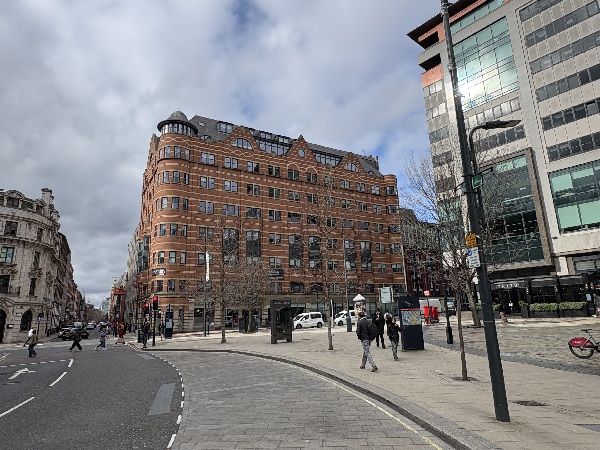
NRG Focus provides energy compliance support across Leeds, Bradford, Wakefield, Huddersfield and wider West Yorkshire.
If you require a Commercial EPC for a non-domestic property, visit:
Commercial EPC Leeds – Level 5 Accredited EPC Assessors
For guidance on landlord obligations and minimum energy efficiency standards, visit:
Last updated: June 2026
What Is a Display Energy Certificate?
A Display Energy Certificate (DEC) measures the operational energy performance of a public building using actual energy consumption data.
The certificate provides a rating from A to G.
An A rating indicates excellent operational energy performance.
A G rating indicates poor operational energy performance.
Unlike a Commercial EPC, which estimates how a building should perform, a DEC reflects how the building is actually performing during day-to-day operation.
Display Energy Certificates are intended to increase transparency and encourage better energy management within public buildings. The certificate must normally be displayed in a prominent position where building users and visitors can view it.
A DEC is usually accompanied by an Advisory Report which identifies practical opportunities to improve operational energy efficiency.
Who Needs a Display Energy Certificate in Leeds?
A Display Energy Certificate is generally required where:
The building is occupied by a public authority.
The total useful floor area exceeds 250 square metres.
The building is frequently visited by members of the public.
Buildings commonly requiring a DEC include:
Schools
Academies
Universities
Colleges
Council offices
Libraries
Leisure centres
NHS facilities
Health centres
Community buildings
Public service buildings
Government and local authority premises
Many organisations across Leeds and West Yorkshire are unaware that their building may require a valid Display Energy Certificate and Advisory Report.
If you are unsure whether your building requires a DEC, NRG Focus can help clarify the requirements.
Display Energy Certificates and Advisory Reports
A Display Energy Certificate provides a visible operational energy rating.
The accompanying Advisory Report provides recommendations designed to improve efficiency and reduce energy consumption.
Recommendations may include:
Heating control improvements
Lighting upgrades
Ventilation optimisation
Air conditioning management
Occupancy management
Building controls improvements
Energy monitoring systems
Metering improvements
Maintenance strategies
Carbon reduction opportunities
For public-sector organisations, Advisory Reports can assist with estate management, compliance planning, sustainability initiatives and budget management.
How Long Does a DEC Last?
The validity period depends on building size.
Buildings over 1,000 square metres normally require annual renewal of the Display Energy Certificate.
Buildings between 250 and 1,000 square metres may have longer validity periods depending on current regulations and circumstances.
Advisory Reports generally have different validity periods from the certificate itself.
Because requirements can vary, it is important to monitor renewal dates carefully to avoid compliance issues.
Many organisations find renewal management challenging when multiple buildings are involved.
What Information Is Needed for a Display Energy Certificate?
To produce a Display Energy Certificate, an assessor will normally require:
Building address
Building use
Total floor area
Electricity consumption records
Gas or fuel consumption records
Operational details
Occupancy information
Previous DEC records where available
Site plans and building information
The quality of the information supplied can have a significant impact on the efficiency of the assessment process.
Where records are incomplete, NRG Focus can advise on the information required before the assessment proceeds.
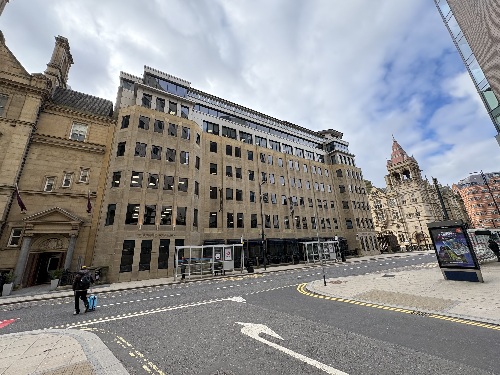
Display Energy Certificate Leeds for Schools and Education Buildings
Schools, academies, colleges and universities are among the most common buildings requiring Display Energy Certificates.
Education buildings often have significant energy demands due to occupancy levels, lighting requirements, heating systems, ventilation requirements and extended operating hours.
A DEC can help education providers:
Understand operational performance
Identify energy-saving opportunities
Support sustainability targets
Improve estate management
Monitor carbon reduction initiatives
Support funding applications
Improve compliance management
For academy trusts and multi-building education estates, coordinated DEC management can simplify compliance and renewal planning.
Display Energy Certificates for NHS, Healthcare and Public Service Buildings
Healthcare buildings frequently consume significant amounts of energy due to specialist equipment, extended operating hours and high occupancy levels.
NRG Focus can assist with DEC assessments for:
Health centres
Clinics
Community healthcare buildings
Public-sector offices
Council buildings
Leisure facilities
Community hubs
Public reception facilities
Healthcare providers often benefit from Advisory Reports because operational improvements can reduce energy use without major capital expenditure.
Display Energy Certificates for Multi-Site Estates
Many public organisations manage multiple buildings across different locations.
These may include:
Academy trusts
Local authorities
Healthcare estates
Leisure trusts
Government organisations
Large public-sector portfolios
Managing renewal dates, energy data and compliance requirements across multiple sites can become a significant administrative task.
NRG Focus can assist organisations by helping coordinate assessments, manage renewal schedules and support ongoing compliance planning.
This can help reduce administrative burden while maintaining compliance across larger estates.
Ongoing DEC Compliance Support
Many organisations view Display Energy Certificates as a one-off compliance requirement.
In reality, DEC compliance is often an ongoing process involving:
Certificate renewals
Energy data collection
Advisory Report reviews
Operational performance monitoring
Estate compliance management
Carbon reduction planning
NRG Focus can provide practical support to help organisations maintain compliance and plan future renewals effectively.
For organisations operating multiple buildings across Leeds and West Yorkshire, a structured approach can help reduce disruption and improve long-term compliance management.
DEC vs Commercial EPC – What Is the Difference?
Display Energy Certificates and Commercial EPCs serve different purposes.
A Commercial EPC measures the theoretical energy performance of a building.
A Display Energy Certificate measures actual operational energy performance.
In simple terms:
A Commercial EPC asks:
How efficient could this building be?
A DEC asks:
How efficiently is this building actually operating?
Some public buildings may require both certificates depending on how the building is used and whether it is being sold, leased or occupied.
If you require a Commercial EPC, visit Commercial EPC Leeds – Level 5 Accredited EPC Assessors
For an instant guide price, visit:
Commercial EPC Leeds Cost Calculator
Why Display Energy Certificates Matter
Display Energy Certificates are more than a compliance requirement.
They help organisations understand how efficiently buildings are operating and identify opportunities to reduce energy use.
A poor DEC rating may indicate:
Inefficient controls
Heating and cooling conflicts
Poor zoning
Excessive operating hours
Outdated lighting systems
Poor building management practices
Excessive energy consumption
The Advisory Report helps identify practical actions that may improve performance and reduce operational costs.
Display Energy Certificate Assessments Across Yorkshire
NRG Focus provides Display Energy Certificate assessments for public buildings and organisations across Leeds and throughout Yorkshire.
Our assessors support schools, colleges, healthcare premises, local authorities, leisure facilities and other qualifying public buildings requiring Display Energy Certificates and Advisory Reports.
Coverage includes Leeds, Bradford, Wakefield, Huddersfield, York, Harrogate, Sheffield, Rotherham, Doncaster and surrounding areas across Yorkshire.
Support is available for individual buildings as well as organisations managing larger public-sector and multi-site property portfolios.
Why Choose NRG Focus for Display Energy Certificates?
NRG Focus provides practical energy compliance support for organisations across Leeds and Yorkshire.
Clients choose NRG Focus because we provide:
Qualified energy assessment support
Knowledge of public-sector compliance requirements
Practical Advisory Report guidance
Support across Leeds and West Yorkshire
Experience in commercial energy compliance
Clear explanations of DEC requirements
Straightforward communication
Professional and responsive service
Display Energy Certificates form part of NRG Focus’s wider energy compliance services, alongside Commercial EPCs, MEES compliance support and commercial building energy assessments.

Image title: NRG Focus Energy Compliance Assessor Leeds
Alt text: NRG Focus energy assessor supporting Display Energy Certificate compliance in Leeds
Frequently Asked Questions
Do all public buildings require a Display Energy Certificate?
No. A DEC is generally required where a building is occupied by a public authority, exceeds 250 square metres and is regularly visited by members of the public.
Do private organisations require a DEC?
Private organisations do not usually require a DEC, although some may choose to obtain one voluntarily.
How often does a Display Energy Certificate need renewing?
Renewal periods depend on building size and applicable regulations. Larger public buildings often require annual renewal.
What is an Advisory Report?
An Advisory Report accompanies the DEC and identifies opportunities to improve operational energy performance.
Is a Display Energy Certificate the same as a Commercial EPC?
No. A Commercial EPC measures theoretical performance, while a DEC measures actual operational performance based on energy consumption data.
Can NRG Focus support organisations with multiple buildings?
Yes. NRG Focus can assist organisations managing multiple public buildings across Leeds and West Yorkshire with assessment planning and compliance support.
Request a Display Energy Certificate in Leeds
If your organisation requires a Display Energy Certificate in Leeds or West Yorkshire, NRG Focus can help you understand the requirements and arrange an assessment.
For enquiries, visit the NRG Focus Contact page:
📞 Speak to an Assessor